Showing posts with label Visitor Attraction. Show all posts

Monday, 27 September 2010

Vinepearl Island, Nha Trang, Vietnam

Vinepearl Island is a short ferry or cable-car ride from Nha Trang. The huge ‘Hollywoodesque’ lettering which is visible from many parts of Nha Trang made me fear it would be tacky. I was pleasantly surprised. Attractions include amusements and rides, an impressive aquarium, a circus, a water park and a clean beach. The facilities are quite good with a wide range of shops and a few restaurants.

The water park was our main reason for visiting. It has an excellent range of features for kids and big kids. There are a few large slides, a children’s pool and smaller slides, a wave pool and a ‘rapids’ attraction (you sit on a large inflatable ring and a carried along by the momentum of the water).

Other attractions are typical of those seen in theme parks. We didn’t explore everything in detail, but did have look at the aquarium, which has a range of unusual fish.

Vinpearl has accommodation or you can just visit for the day as we did. Staying for longer may suit some people, but others would it a bit limiting. It isn’t a good base for wider exploration of Nha Trang because it takes about 20 minutes to get to the mainland and then a further ten to get into the main part of Nha Trang. VinpearI gets some good reviews from honeymoon couples, something I find curious as it strikes me as a great choice for family entertainment taken in the right dose or an afternoon of fun for friends travelling together, but not a place that is set up for solo travellers or couples. I am glad we went and that our stay was short and sweet. 


Sunday, 8 August 2010

Township visits

Most visitors to Cape Town only see the townships as they arrive and depart from the airport. It isn’t very sensible to go there on your own, but it is safe and interesting to go on an organised visit. Some people are put off the idea thinking its like treating local residents as curiosities, but I think it comes down to the way the visit is organised. There are a number of operators who provide a range of tours that are run by people who live in the townships, so the money they make directly benefits the local area, which has to be a good thing. Reputable tours typically include visits to a range of community projects, a market and a bar. You can also organise evening visits which include a music venue and meal. You can even stay in a house in a township for part of your stay. Notionally you book into Vicky’s B&B, but as she only has two rooms, she may be full, so will put you in touch with a network of other people who offer a similar service. It is a world away from the Cape Town most people visit, but worth doing if you like to get a feel what it is like to live in a township. Sometimes this sort of thing can be a bit phoney, but done properly a township trip can be informative and have a real benefit for the local community you are visiting. For more information about Vicky’s B&B follow this link http://www.vickysbedandbreakfast.com/

Saturday, 7 August 2010

Steenberg wine estate, Constantia Valley

The Steenberg wine estate in Constantia Valley, is just a short drive from Cape Town and not far from the slopes of Table Mountain. It is away from the main Cape Winelands tourist route, but an easy visit if you have a car or a driver/ guide. You can go there and combine a visit to Kirstenbosch Botanical gardens in half a day, leaving Cape Town after breakfast and getting back late afternoon. Everything at Steenberg is beautiful and stylish. The vineyard also has a high end hotel and spa next to it, never been there, but it rates highly on Trip Advisor. There is also a restaurant in the main vineyard. I made sure I wasn’t driving for this vineyard visit, so got to do the tasting. Previously I had only had the Sauvignon Blanc, which I love and was keen to see if the rest of the range was of the same standard. I am pleased to say that it was and particularly recommend the Merlot 2007.


Cape Winelands - Franschheok, Stellenbosch and Paarl: much more to them than wine

It isn’t hard to see why Franschheok, Stellenbosh and Paarl are the part of the Cape wine region most tourists visit. It must be one of the most beautiful wine regions in the world. You can enjoy the highlights on a day trip or do things at a more leisurely pace and base yourself in the area for part of your holiday. There are a wide range of accommodation types from hugely expensive (we are talking four figures a night) to cheap and simple. You also get plenty of fine dining opportunities, especially in the Franschheok area, which has some of the country’s best restaurants. Paarl is the largest town in the Cape Winelands and boasts a huge granite outcrop. Stellenbosch is a University town so is more vibrant and youthful, where as Franschheok is pretty and quaint. Much of the area has French connections and as its name suggests Franschheok (French corner) has strongest links with France. French Huguenots established vineyards here in the seventeenth century and they were welcomed by the Dutch who gave them land rights. When I think of this part of the Western Cape, I think of big blue skies, dramatic mountain backdrops, Cape Dutch architecture and of course wine.

Companies such as Day Trippers organise a small group trip, which means there are about eight of you in a mini-van http://www.daytrippers.co.za/ . This is good value and good fun. You have some scope to influence where you go, get a chance to share travel tales with others and sharing the trip with them cuts costs. On a couple of occasions I have been the designated driver for DIY trips, so visited vineyards but not tasted; even though I love the grape, I still enjoyed the day. If you want to visit particular vineyards and no one wants to miss out on the tasting, then hire a driver for the day. Although more expensive than the group trips, it represents good value for what you get and means you have total control over where to go. I would organise this through Randy’s a thoroughly professional outfit who specialise in airport transfers and private tours http://www.randystours.com/index.html.

My favourite vineyard visits in this area include:

Villiera http://www.villiera.com/ which isn’t as pretty as some other vineyards, but has a fabulous range of Methode Cape Classique wine (this uses Champagne technique to produce some great fizz).

Graham Beck http://www.grahambeckwines.co.za/ also does some great bubbly and the range of wine in general is consistently good.

Fairview http://www.fairview.co.za/ is a highly commercial operation and attracts lots of tourists with its gift shop, cheeses, eatery and goat herd.

Solms-Delta http://www.solms-delta.co.za/ is of interest as it has a strong community empowerment focus and interesting museum, they produce a red fizzy wine called Cape Jazz Shiraz, not a fine wine, but a fun one and a great choice to quaff at a braai (South African barbecue).

A typical view


Huguenot memorial at Franschhoek


Offerings from Graham Beck


Resident goats at Fairview


Sunday, 7 March 2010

Cape Town to Cape Point - a perfect day out

A visit to Cape Point and Boulders Beach is a fabulous day out combining spectacular scenery and opportunities to see wildlife. You can do an organised trip, but the best option by far is to hire a car and do it at your own pace. You leave Cape Town by Camps Bay on a road which hugs the mountains and gives you amazing views. After this it gets even better as you drive along Chapman’s Peak. It really is a drive which has to been seen and experienced to be fully appreciated. There are various stop off points where you can take your pictures and will just stare in wonder. Chapman’s Peak is all too short a drive, but there are plenty more attractions when it has finished. There are numerous small coastal towns where you can stop for lunch. Simons Town, with its naval base is one option, but I prefer the livelier Kalk Bay. If you want to rub shoulders with local people and enjoy some tasty fish and chips, then go to Kalkys. Next stop is Boulders Beach where you can see a penguin colony up close. It is likely to be very windy, but you will see lots of penguins from the viewing platforms. If you avoid weekends and the middle of the day you may be able to stand near the penguins on the beach or the rocks, watch out though they peck. The final stop is Cape Point and the Cape of Good Hope; both are close to each other and offer walking opportunities as well as a chance to see ostriches, baboons and other wildlife. We were lucky to see a couple of families of baboons and I got some pictures of them. We also saw a wild ostrich by the road gazing into the ocean, what a great picture that would have been. Never mind at least I got a picture of the ostrich. This is a rewarding and memorable day out as anyone could wish to do and an easy drive from Cae Town.


One of the many spectacular views along Capman's Peak drive


Boulders Beach


Baboon family close to Cape Point


Ostrich close to the Cape of Good Hope

Wednesday, 3 March 2010

The Bo-Kaap, Cape Town


The Bo-Kaap is one of the oldest neighbourhoods in Cape Town. The colourful houses really stand out against the backdrop of Table Mountain and the high rise cityscape. The area has a high Muslim population and there are a few mosques in the neighbourhood. Unlike nearby District Six, the Bo-Kaap survived apartheid legislation which saw many communities forcibly displaced. The Bo-Kaap has an interesting museum on Wale Street, which is close to the city centre. Even if the museum isn’t open, it is still worth visiting and walking around the area soaking up the atmosphere and taking some pictures.

Friday, 19 February 2010

A traditional Zambian village

We have just returned from a ‘traditional village’ called Mukuni . It is a genuine village and you get a bit of a feel for how people live. The population is 7,000 and many people live in traditionally constructed houses like the ones pictured. Although traditional it geared at tourists and at the end you get to do an obligatory tour of a craft market. Difficult to say whether the stuff we bought was made there or massed produced. We proved to be terrible at haggling, but enjoyed the overall experience. Best of all the guide is local and all proceeds appear to benefit local community projects. You can book the trip through Chris Mweetwa chrismweetwa@gmail.com.


Thursday, 18 February 2010

The Victoria Falls – amazing however they are viewed


The main reason for including Zambia on this trip has been to see the Victoria Falls. You can fly over the Falls in a helicopter or for an adrenaline rush a microlite flight. On the helicopter trip you see the Fall from all angles and as long as your camera has a good zoom, you can capture some good pictures. At a $130 per head for 15 minutes, this is an expensive trip, but the experience makes it worth it in my view.

On foot the experience is almost as awesome. An opportunity to experience bits of the Falls close up. At the moment the Falls are very full so there is a lot of spray and in certain parts on the ground you just get drenched. It is possible to get good views and keep dry though.

You can also take a steam train, but were told that it is more of a fine dining and train enthusiasts experience than a getting a good view of the falls experience. With so many things to do in Livingstone and in just a few days, I think we’ll give the train a miss.

Sunday, 31 January 2010

The story of Berlin and bunker tour

The Story of Berlin provides an easy and interesting overview of Berlin over the last 800 years. It’s a doddle to find as it is on Kurfurstendamm, a main shopping street. It has many displays and uses artefacts and multimedia. Most displays focus on the years between the rise of the Third Reich through the Cold War years to the fall of the Berlin Wall. The displays bring key moments in Berlin’s history to life and provide a sense of the life of Berliners from the past. I particularly liked the mock ups of period rooms. The Museum also includes a tour of a real underground bunker, which is interesting and very disconcerting. You learn there are not enough bunkers and that that they are useless anyway as you wouldn’t survive that long in one of them.


Sunday, 22 November 2009

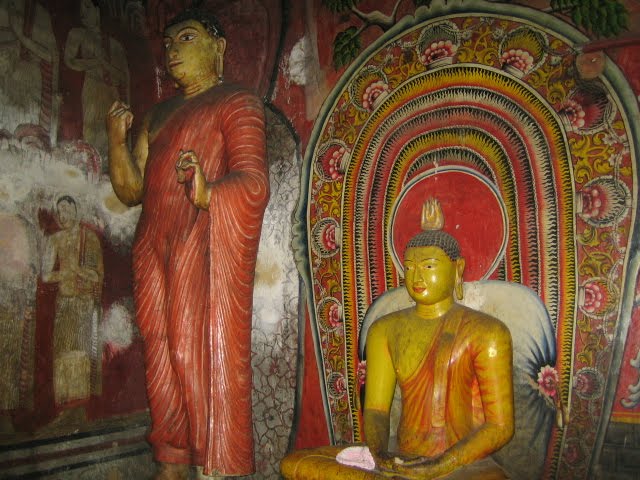
The main reason for staying in the Dambulla area of Sri Lanka is to visit some of the cultural heritage sites. It is possible to visit Sigiraya, the Cave Temples and Polonnaruwa in a day. The enthusiast could spend much longer as there is a lot to see, but a day should be enough for most people. The three sites are quite close to each other, but travel around Sri Lanka is a slow business.


The best way to visit the sites is to hire a guide/ driver. As well as the practicalities of getting around, it means you won’t have to negotiate with the many people who will want to be your guide and be most insistent in doing so. You’ll need plenty of water, sun block and should cover up. Some thick socks will also come in handy. Some of the sites require you to remove your shoes, not much fun when you are waking on a stone surface which has been exposed to the sun for many hours.

The easiest site was the Cave Temples at Dambulla. You walk up quite a steep incline to get to the caves, but it’s a short walk. The caves are all quite compact and have a wide range of Buddha images and cave paintings, it is believed they are 1900 years old.


The most impressive site was Polonnaruwa. It is about 1000 years old and was a Royal Capital for three centuries. There are many impressive examples which show the skill of those involved in the construction and get an impression of the vision and greatness of what was.


Sigiriya has at various times been a rock fortress and monastic retreat. You can walk up the 200m high rock and enjoy excellent views, there is also water garden, a boulder garden and caves with frescos.


If your itinerary allows, the sensible thing to do would be to do the Cave Temples one day and the Ancient Cities on the other. The Cave Temples are a convenient and easy stop off on the way to Kandy. The trip could be tricky with very young children and requires a degree of physical fitness.

Friday, 23 October 2009

Jervaulx Abbey - a haven for wild flowers or is it just overgrown?


Jervaulx Abbey, is in Yorkshire and was founded in the twelfth century and plundered during the dissolution of the monasteries in the sixteenth century.

It is described by the Jervaulx Abbey website as having “ crumbling walls........ heavily clad in diverse vegetation” http://www.jervaulxabbey.com/home.php . Others would describe it as a ruin which is very overgrown with weeds. The truth is somewhere in between the two.

Although the abbey is ruined, it is possible to get a feel for how splendid it must once have been. On a warm summer evening and with the right sort of light and the sun setting in the right direction, this would be an atmospheric setting to get some great photographs. On a very cold and windy day (the day I was there with two friends), it feels less romantic.
Unless you have a special interest in ruined abbeys, it isn’t worth going out of your way for, but is worth a look if you are passing by.

The Bowes Museum


The Bowes Museum is in the town of Barnard Castle in County Durham. It is the legacy of John Bowes and his wife Josephine Benoite. They wanted to bring art to the masses and this purpose built Museum is thanks to them, so it is said that the building was not completed until after their death. A friend described the style of the building as French Municipal, which sums it up really; it wouldn’t look out of place in a town square in France, so is a little incongruous in a typical English market town.

The artefacts cover European furniture, ceramics and paintings from the Middle Ages to the nineteenth century. It includes paintings by Caneletto ,Goya and many others and Recoco furniture.

The highlight of Bowes is the Silver Swan. It is a 240 year old clockwork swan covered in silver leaf, which moves as smoothly as if it was alive and eats a fish. You can see it in action at 2:00pm every afternoon and also by clicking on this link http://www.bbc.co.uk/mediaselector/check/england/realmedia/insideout/northeast/090114_io_north_east_swan?size=16x9&bgc=C0C0C0&nbram=1&bbram=1&nbwm=1&bbwm=1

There are also temporary exhibitions. It is good to see that the museum promotes local artists from the present day as well as having fine art from the past. It isn’t all serious fine art and at the moment there is an exhibition called ‘Toys Tales’ which is all about children’s television characters.

The Museum has a rather odd and unenforced photography policy. To take a photograph, you pay extra, but can’t use a flash, they don’t do anything to people who ignore the rule though, so what is the point?

The swan is the fun part of the visit for anyone and there is much else to see that will please you even if you just have a passing interest in fine art.

Thursday, 17 September 2009

The Horta Museum, Brussels - You really ought to go

Victor Horta (1861-1945) was the foremost Art Nouveau architect in Belgium in the early part of the twentieth century. The Horta Museum was his home and studio from about 1900 to 1915 and is a wonderful showcase of his vision and ingenuity.

The house is on grand, rather than stately proportions. The centrepiece is a magnificant staircase which has a breathtaking sinuous brass work. At the top of the stairs a glazed ceiling allows in just the right amount of light.

The attention to detail everywhere is amazing, even down to door knobs and switches. Everything is beautiful and even the practical parts of the house, like the urinal in the first floor bedroom, are a design feature.

The house is a bit off the beaten track. The staff are unfriendly and make you feel as though they are doing you a favour by letting you visit. Oh and there is a strictly enforced no photography rule. These annoyances detract from a visit rather than ruin it though. This place is a must for lovers of Art Nouveau and should be a high priority for anyone with an interest in design, architecture or historic buildings.

The website doesn't do the place justice http://www.hortamuseum.be/main.php?lang=en&part=musee&page=informations

I'd add some pictures, but the website says no and (having met the guides) I would't dare defy the custodians of this great house.